Healthy Habits for Busy Professionals: Simple Tips for Work-Life Balance
Keywords: work-life balance, health tips for professionals, stress management, productivity hacks

Introduction: Why Work-Life Balance Matters for Busy Professionals
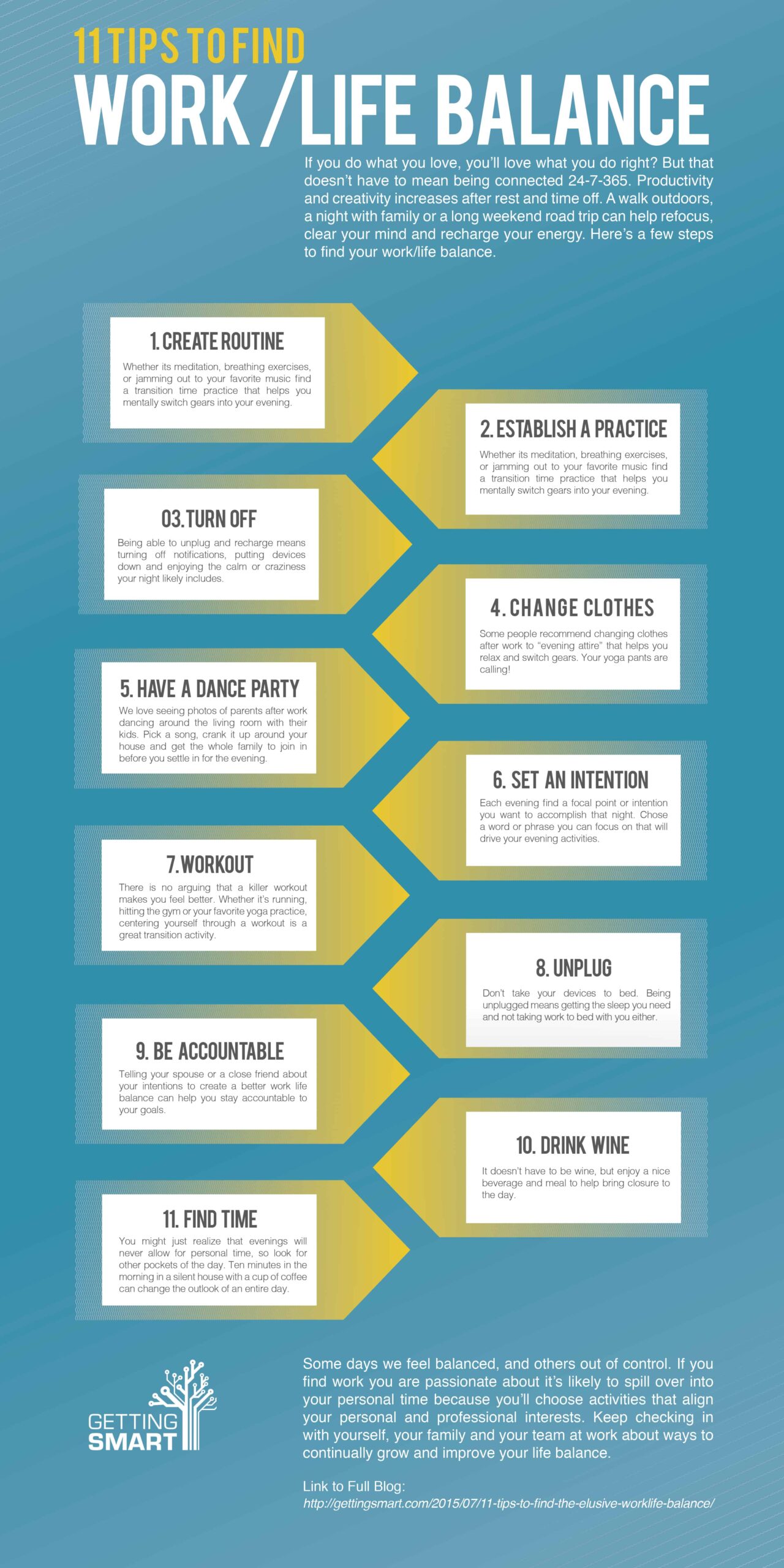
Do you constantly feel pulled in a dozen directions—email, meetings, family, deadlines—while your health quietly slips down the list? You’re not alone. Studies show that chronic work stress increases risk of burnout, sleep problems, and long-term health issues. But the good news is that small, consistent changes to daily habits can significantly improve well-being and performance.
This article gives practical, encouraging, evidence-based guidance specifically for busy professionals who want realistic, actionable steps to improve work-life balance. You’ll learn stress management techniques, productivity hacks to reclaim time, simple nutrition and movement strategies for energy, sleep-improving routines, and ways to create sustainable boundaries. Each section includes examples, quick wins, and tools you can apply immediately—no radical lifestyle overhaul required.

Table of Contents
- Adopt a Practical Mindset for Sustainable Change
- Stress Management Strategies That Work
- Productivity Hacks to Reclaim Time
- Move More: Simple Exercise Habits for Busy Schedules
- Nutrition Tips for Steady Energy
- Sleep and Recovery: Non-Negotiables for High Performance
- Set Boundaries: Protecting Your Time and Energy
- Optimize Your Workspace and Routines
- Real-World Examples: How Professionals Made Small Changes
- Frequently Asked Questions
- Conclusion and Action Plan
- Value marginal gains: small improvements compound over time.
- Prioritize consistency over intensity—10 minutes daily beats a 2-hour crash every week.
- Replace perfectionism with “good enough” decisions to reduce friction and stress.
- Focus on inputs (behaviors) rather than obsessing about outcomes.
- Box breathing: inhale 4s — hold 4s — exhale 4s — hold 4s, repeat 4 times.
- Grounding exercise: 5-4-3-2-1 sensory check (name 5 things you can see, 4 you can touch, etc.).
- Two-minute reset: step away, sip water, stretch neck and shoulders.
- Short mindfulness practice (5–10 minutes) each morning or midday.
- Schedule micro-breaks: 5 minutes every 60–90 minutes to stand and breathe.
- End-of-day reflection: jot three wins and one improvement area to close the day.
- Weekly digital detox block: 2–4 hours with no email or Slack.
- Monthly check-in with a mentor, friend, or coach to debrief stressors and wins.
- Eisenhower Matrix: categorize tasks by urgent/important to decide what to do, delegate, schedule, or delete.
- MITs (Most Important Tasks): identify 1–3 MITs each day and protect time to complete them.
- Only accept meetings with clear agendas and outcomes.
- Set a default 25 or 50-minute meeting length to create transition time.
- Use standing or walking meetings when possible for short catch-ups.
- Designate two or three daily email-check times instead of constant monitoring.
- Use short, action-oriented messages and suggest next steps to reduce back-and-forth.
- Mute non-essential notifications; use Do Not Disturb during deep work sessions.
- Task managers: Todoist, Asana, or Microsoft To Do for MITs and projects.
- Calendar tools: Google Calendar with color-coded blocks and scheduling links.
- Focus apps: Forest, Focus@Will, or simple Pomodoro timers.
- Desk stretches every hour: neck rolls, shoulder openers, seated spinal twists.
- Stand during phone calls or use a standing desk for 30–60 minutes daily.
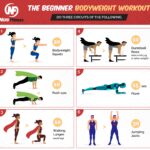
- Short high-intensity bursts: 5–10 minutes of bodyweight exercises (squats, lunges, push-ups) three times a day.
- Walk or cycle part of your commute when possible.
- Park farther from the office or take stairs instead of the elevator.
- Schedule “walking meetings” for one-on-one catch-ups.
- Hydrate first: start your day with a glass of water and keep a bottle on your desk.
- Protein at meals: include lean protein to stabilize blood sugar and reduce afternoon slumps.
- Balance carbs and fiber: choose whole grains, legumes, and vegetables for long-lasting energy.
- Smart snacking: nuts, yogurt, fruit, or hummus with veggies instead of sugary snacks.
- Batch-cook two protein options and three vegetable sides on a weekend to mix-and-match dinners.
- Keep quick options on hand: pre-washed salad greens, canned beans, frozen vegetables.
- Plan breakfast: overnight oats, Greek yogurt with berries, or a simple smoothie save decision energy.
- Consistent sleep schedule: aim for a regular bedtime and wake time, even on weekends.
- Wind-down routine: 30–60 minutes of low-stimulation activities—reading, light stretching, or a warm shower.
- Device curfew: stop screens 60 minutes before bed or use blue-light filters and night mode.
- Optimize the environment: cool, dark, and quiet bedroom; comfortable mattress and pillows.
- Work hours: define and communicate your core availability (e.g., 9–5) with teammates.
- End-of-day rituals: use a closing routine (review tasks, plan tomorrow, shut down devices) to transition out of work mode.
- Use calendar blocks: mark personal time, family time, exercise, and focus work as non-negotiable appointments.
- Acknowledge the request, state your constraint, and offer an alternative or timeline.
- Use templates: short, respectful refusals maintain relationships while protecting your time.
- Declutter your desk—only the essentials should be visible.
- Use a dual-monitor setup if your work requires lots of tabs and documents to reduce switching costs.
- Incorporate plants or natural light to boost mood and concentration.
- Morning: hydrate, light movement, a short planning session for MITs, then deep work while energy is highest.
- Evening: review wins, plan tomorrow’s MITs, perform a brief relaxation practice, and shut down work tools.
- Set two daily MITs and protect time to complete them.
- Implement a device curfew 60 minutes before bed.
- Take three 5-minute movement breaks per day.
- Schedule one digital detox block this weekend (2 hours minimum).
- Prepare two simple meals or components for the week (batch cook).
- Practice box breathing once during a stressful moment and once at the end of the day.
- Review boundaries with your team or family and communicate one change.
- Internal link suggestions:
- Time Management for Professionals — anchor text: “time management for professionals”
- Mindfulness for Work — anchor text: “mindfulness practices”
- Office Exercise Routines — anchor text: “office exercise routines”
- Suggested external authoritative links (open in new window, rel=”noopener noreferrer”):
- World Health Organization: workplace mental health guidance — https://www.who.int
- American Psychological Association: stress at work — https://www.apa.org
- National Sleep Foundation: sleep hygiene tips — https://www.sleepfoundation.org
- Suggested tweet: “Feeling stretched thin? These simple, science-backed health tips for professionals can help you reclaim time, reduce stress, and boost productivity. #WorkLifeBalance #ProductivityHacks”
- Suggested LinkedIn post: “Busy professionals: small daily habits—time-blocking, short movement breaks, and better sleep—can transform work-life balance. Read this practical guide with actionable steps and a 7-day plan.” Include link and image of a calm workspace.
- Open Graph image alt text: “Professional taking a mindful break at a tidy desk, symbolizing work-life balance.”
- Hero image: professional at a tidy desk with natural light. Alt: “Professional working at a tidy desk with natural light, representing work-life balance.”
- Infographic: 7-day action plan visual. Alt: “Seven-day action plan to improve work-life balance for busy professionals.”
- Photo for section ‘Move More’: person stretching beside a standing desk. Alt: “Person doing desk stretches beside a standing desk to boost energy.”

Adopt a Practical Mindset for Sustainable Change
Work-life balance isn’t an all-or-nothing destination—it’s an ongoing process. Adopting a growth mindset and focusing on small, measurable changes increases the chance you’ll stick with new habits.

Core mindset shifts
Quick action: Pick one tiny habit you can do for two weeks (e.g., 5-minute morning stretch) and track it. That builds momentum.
Stress Management Strategies That Work
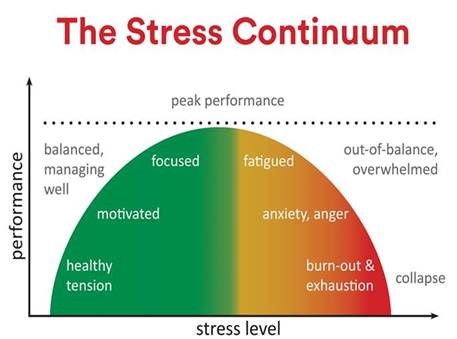
Chronic stress reduces productivity and harms health. Effective stress management combines immediate tools you can use in a meeting and longer-term practices that build resilience.
Immediate techniques (use during high-pressure moments)
Daily stress-reduction habits
Weekly and monthly resilience builders
Tool suggestions: Headspace or Insight Timer for guided mindfulness; simple timer apps for Pomodoro-style micro-breaks.
Productivity Hacks to Reclaim Time
Being productive isn’t about doing more—it’s about doing what matters. These productivity hacks help you focus on high-impact work while freeing time for life outside work.
Prioritization frameworks
Time-blocking and batching
Reserve blocks on your calendar for focused work, administrative tasks, meetings, and breaks. Batch similar tasks—emails, calls, content creation—to reduce context switching.
Meeting hygiene
Inbox and communication rules
Quick productivity tools
Move More: Simple Exercise Habits for Busy Schedules
You don’t need a gym routine to gain the benefits of movement. Small, regular activity boosts mood, energy, and cognitive function.
Micro-activity strategies
Efficient workouts for professionals
High-Intensity Interval Training (HIIT) or circuit training for 20–30 minutes, 2–3 times per week delivers cardiovascular and strength benefits in minimal time.
Incorporate movement into your commute and routine
Nutrition Tips for Steady Energy
Food fuels focus. Small changes in hydration and meal patterns prevent energy crashes and support sustained performance.
Simple nutrition rules
Meal planning for busy weeks
Caffeine and alcohol
Use caffeine strategically—avoid late-afternoon intake that harms sleep. Limit alcohol, especially on work nights, since it degrades sleep quality and next-day performance.
Sleep and Recovery: Non-Negotiables for High Performance
Sleep is the foundation of both health and productivity. Prioritize it as a core professional habit—not an indulgence.
Practical sleep hygiene
Short naps and recovery
When needed, take a 10–20 minute power nap to restore alertness. Avoid long naps late in the day that disrupt nighttime sleep.
Set Boundaries: Protecting Your Time and Energy
Boundaries are essential for sustainable work-life balance. They let you do your best work while showing up fully outside of work.
Common boundary strategies
How to say no gracefully
Example script: “Thanks for thinking of me. I’m at capacity this week—can we revisit this next Tuesday, or would someone else be able to take it on?”
Optimize Your Workspace and Routines
A well-designed workspace and predictable routines reduce friction and conserve cognitive energy.
Workspace tips
Morning and evening routines
Real-World Examples: How Professionals Made Small Changes
These short case studies show how small, clear actions can create big improvements.
Case study 1 — The Manager Who Reclaimed Evenings
A project manager was answering emails until late. She set a strict 7 p.m. cutoff, scheduled 30 minutes for email twice a day, and delegated meeting facilitation to her team. Within a month she reported better sleep, less resentment, and equal or improved team outcomes.
Case study 2 — The Consultant Who Used Time-Blocking
A consultant built daily blocks for client work, admin, and learning. By batching admin tasks to one afternoon slot and protecting two morning hours for deep client deliverables, he cut meeting hours by 20% and gained an extra evening for family time.
Case study 3 — The Startup Founder Who Prioritized Recovery
A founder added two 20-minute recovery practices (a short walk and midday meditation). She found stress levels dropped and creative problem solving improved during product sprints.
Frequently Asked Questions (Optimized for Voice Search)
How can I improve my work-life balance as a busy professional?
Start by identifying one high-impact boundary (e.g., a device curfew or fixed work hours), build one daily micro-habit (short mindfulness or movement), and protect 1–2 MITs each day. Small, consistent changes compound into meaningful balance.
What are quick stress management tips I can use at work?
Use box breathing, a 2-minute stretch break, or the 5-4-3-2-1 grounding method during high-stress moments.
How do I maintain productivity without burning out?
Prioritize high-impact tasks, time-block, batch similar activities, schedule breaks, and ensure sufficient sleep and recovery to sustain performance long-term.
Which habits yield the biggest health benefits for professionals?
Consistent sleep schedule, regular movement, proper hydration and protein-rich meals, and daily micro-breaks to manage stress yield large returns for both health and productivity.
Conclusion and Action Plan
Work-life balance for busy professionals isn’t about achieving perfection—it’s about designing a sustainable lifestyle that supports both high performance and well-being. Small, practical habits—short mindfulness practices, prioritized tasks, time-blocking, movement, better nutrition, sleep hygiene, and clear boundaries—create a foundation for lasting change.
Start with this simple 7-day action plan:
Make one change, stick with it for two weeks, and then add the next. Over time these habits compound into better health, lower stress, and more meaningful time outside of work.