Beginner’s Guide to Home Workouts: Easy Exercises for Fitness Newbies
Keywords: home workout routine, beginner exercises, fitness at home, workout plans for beginners
Starting a fitness journey can feel overwhelming, but it doesn’t have to be. This beginner’s guide to home workouts is designed to empower you with simple, effective, and safe routines you can do without a gym membership or fancy equipment. You’ll learn how to build a sustainable home workout routine, master foundational beginner exercises, and follow easy workout plans for beginners that support progress and confidence. Whether your goal is to boost energy, lose weight, build strength, or just feel healthier, this guide gives you the tools, tips, and motivation to begin today.
Why Choose Fitness at Home?
Home workouts remove common barriers: commute time, cost, gym intimidation, and scheduling constraints. For beginners especially, exercising at home offers privacy, flexibility, and control. With a few basics and consistent effort, you can improve cardiovascular health, strength, mobility, and mental well-being.
- Convenience — work out anytime that fits your schedule.
- Cost-effective — minimal or no equipment needed.
- Flexible intensity — scale exercises to your level.
- Comfort and privacy — ideal for building confidence.
- If you have chronic conditions or concerns (e.g., heart disease, high blood pressure, joint issues), consult a healthcare professional before starting.
- Set SMART goals: Specific, Measurable, Achievable, Relevant, Time-bound. Example: “Walk 20 minutes, 4x/week for 6 weeks.”
- Exercise mat or soft carpet
- Resistance bands (light to medium)
- One or two dumbbells (5–15 lbs / 2–7 kg depending on strength)
- Stable chair or step
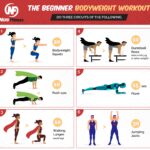
- Bodyweight Squat — Stand feet hip-width, hinge hips back, lower until thighs are parallel or as comfortable, chest up, weight in heels. 2–3 sets of 8–15 reps.
- Chair Sit-to-Stand — Start seated, push through heels to stand up fully, then sit slowly. Great for knee-friendly strength. 2–3 sets of 8–12 reps.
- Glute Bridge — Lie on back, knees bent, feet flat. Lift hips toward ceiling, squeeze glutes, lower with control. 2–3 sets of 10–15 reps.
- Reverse Lunge (support optional) — Step back into a lunge, knee tracking over ankle. Use chair for balance if needed. 2 sets each leg of 6–10 reps.
- Wall Push-Up — Standing at an angle to a wall, hands at chest height, perform push-ups against the wall. Progress to incline or floor push-ups as strength improves. 2–3 sets of 6–12 reps.
- Incline Push-Up (knee or bench) — Start with hands elevated on a stable surface; keep body in a straight line from head to knees/feet. 2–3 sets of 6–10 reps.
- Seated Dumbbell Shoulder Press (or band) — Press light weights overhead, control the descent. 2 sets of 8–12 reps.
- Bent-Over Row with Band or Dumbbells — Hinge at hips, pull elbows back to engage upper back. 2–3 sets of 8–12 reps.
- Dead Bug — Lie on back, arms up, alternate lowering opposite arm and leg with a stable core. 2–3 sets of 8–12 reps each side.
- Plank (Knee or Full) — Maintain a neutral spine, avoid sagging. Start with 10–30 seconds and build up. 2–3 sets.
- Bird Dog — On hands and knees, extend opposite arm and leg, keeping hips stable. 2–3 sets of 8–12 reps each side.
- Marching in place or high-knee walk
- Step-ups on a low step or sturdy stair
- Low-impact jumping jacks (step side-to-side instead of jumping)
- Short brisk walks or treadmill sessions
- Warm-up (5–7 minutes): marching in place, arm circles, hip circles
- Bodyweight Squats — 2 sets x 10–12
- Wall or Incline Push-Ups — 2 sets x 6–10
- Glute Bridge — 2 sets x 12
- Seated Band or Dumbbell Row — 2 sets x 10
- Dead Bug — 2 sets x 8 each side
- Cool-down & stretch (5 minutes)
- Warm-up (5–8 minutes): dynamic leg swings, light marching, shoulder taps
- Bodyweight Squat or Goblet Squat (add weight if available) — 3 sets x 10–12
- Incline or Knee Push-Ups — 3 sets x 8–12
- Reverse Lunge (support if needed) — 2 sets x 8 each leg
- Bent-Over Row with Dumbbells or Band — 3 sets x 10
- Plank (knee or full) — 3 sets x 20–40 seconds
- Farmer Carry (light weights) or 1-minute brisk march — 2 rounds
- Cool-down & stretch
- Warm-up (6–10 minutes): light cardio + mobility drills
- Goblet Squats or Weighted Squats — 3 sets x 8–10
- Full Push-Ups or Elevated Push-Ups — 3 sets x 8–12
- Walking Lunges or Reverse Lunges — 3 sets x 10 each side
- Dumbbell Rows or Single-Arm Rows — 3 sets x 8–12
- Plank Variations (side plank, plank with shoulder taps) — 3 sets x 30–60 seconds
- Interval Cardio Finisher (optional): 10–12 minutes alternating 30s hard / 60s easy
- Cool-down & stretch
- Increase repetitions before adding weight.
- Add a set (e.g., from 2 to 3 sets).
- Reduce rest time between sets for conditioning.
- Improve form and range of motion before increasing intensity.
- Incorporate light resistance bands or small dumbbells once bodyweight feels easy.
- 30–60 seconds marching in place
- Arm circles and shoulder rolls — 30 seconds
- Leg swings front-to-back and side-to-side — 30 seconds per leg
- Hip circles — 30 seconds
- Bodyweight squats — 10 slow reps
- Hamstring stretch — 20–30 seconds per leg
- Quad stretch — 20–30 seconds per leg
- Chest opener against wall or doorway — 20–30 seconds
- Child’s pose or seated forward fold — 30–60 seconds
- Aim for balanced meals with protein, healthy fats, and complex carbohydrates.
- Include lean proteins (chicken, fish, beans), whole grains, fruits, and vegetables.
- Stay hydrated — a general guideline is 8–10 cups daily, more if exercising intensely.
- Get 7–9 hours of sleep to support recovery and energy.
- Pre-workout snack (optional): small carbohydrate + protein 30–60 minutes before exercise (banana and yogurt, toast with nut butter).
- Schedule workouts like appointments — pick days and times and treat them as non-negotiable.
- Start small — shorter workouts (15–20 minutes) are better than none and build momentum.
- Use habit stacking — attach a workout to an existing routine (e.g., after morning coffee).
- Find an accountability partner or join online groups for support.
- Celebrate small wins — more reps, less fatigue, better sleep — track and reward progress.
- Don’t rush technique for more reps — quality beats quantity.
- Avoid locking joints; maintain soft elbows and knees during movements.
- Progress gradually to prevent overuse injuries and burnout.
- Listen to your body — distinguish between muscle fatigue and sharp pain.
- Keep breathing — exhale on effort (e.g., pushing up from a push-up).
- Beginner Strength Training — link from “foundation plan” or “progression plan”
- Mobility Exercises — link from “Warm-Ups, Cool-Downs, and Mobility Work”
- Healthy Eating Guide — link from “Nutrition Basics to Support Home Workouts”
- American College of Sports Medicine (https://www.acsm.org) — for exercise safety and guidelines (external link, open in new window)
- Centers for Disease Control and Prevention, Physical Activity Basics (https://www.cdc.gov/physicalactivity) — for public health recommendations
- National Institutes of Health, Sleep and Health (https://www.nhlbi.nih.gov) — for sleep guidance
- Meta Title suggestion: Beginner’s Guide to Home Workouts | Easy Home Workout Routine for Beginners
- Meta Description suggestion: Start fitness at home with this supportive beginner’s guide. Discover easy beginner exercises, simple workout plans for beginners, and tips to progress safely.
- Open Graph Title: Beginner’s Guide to Home Workouts
- Open Graph Description: Build strength, boost energy, and gain confidence with this easy home workout routine for beginners.
- Suggested Tweet: “New to fitness? Try this beginner-friendly home workout routine with simple exercises you can do anywhere. #FitnessAtHome #HomeWorkoutRoutine”

Getting Started: Safe Foundations for Home Workouts
Before diving into exercises, set up a safe, motivating environment and establish baseline practices to prevent injury and promote consistency.
1. Check Your Health and Set Realistic Goals
2. Create a Small, Functional Workout Space
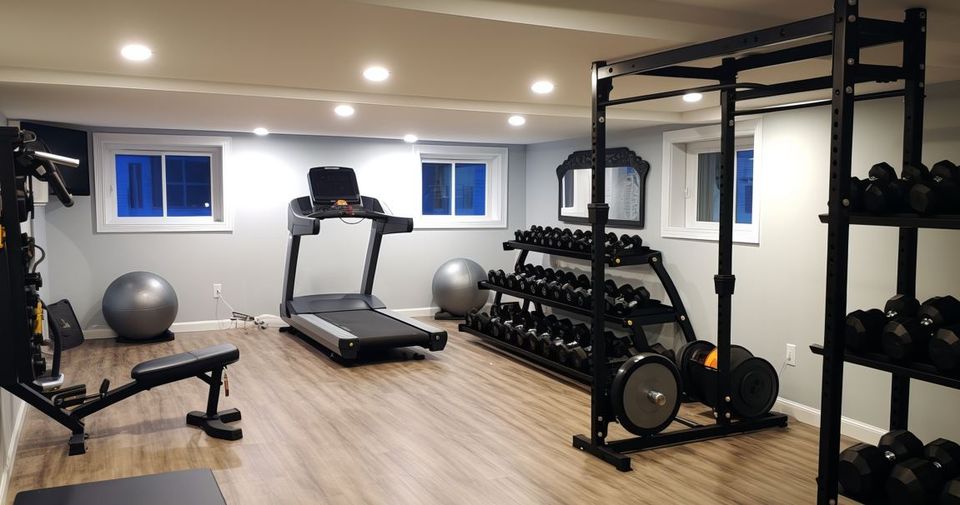
You don’t need much—just a clear area about the size of a yoga mat. Consider a non-slip surface, good lighting, and ventilation. A mirror helps with form, but isn’t required.

3. Basic Equipment to Consider (Optional)
Essential Beginner Exercises for Home
These beginner exercises focus on building strength, improving mobility, and creating a strong foundation. They’re scalable, easy to learn, and safe when done with attention to form.
Lower Body
Upper Body
Core and Stability
Cardio and Conditioning (Low Impact Options)
Sample Home Workout Routine for Beginners
Below are three progressive, balanced workout plans you can follow for the first 8–12 weeks. Start 3 days per week, leaving a day between sessions for recovery. Add optional 20–30 minute low-intensity cardio sessions (walking, cycling) on non-strength days if desired.
Week 1–4: Foundation Plan (3x/week)
Week 5–8: Progression Plan (3x/week)
Week 9–12: Strength & Conditioning (3–4x/week)
Tip: Track your workouts in a notebook or app. Logging sets, reps, and notes on how you felt helps you gauge progress and maintain motivation.
How to Progress Safely
Progression should be gradual and measurable. Use the following methods to advance without risking injury:
If you experience persistent pain (sharp, stabbing, or joint pain beyond normal muscle soreness), stop and consult a healthcare professional.
Warm-Ups, Cool-Downs, and Mobility Work
Warm-ups increase blood flow, joint lubrication, and neuromuscular readiness. Cool-downs help return the body to rest and reduce muscle tightness.
Simple 5–7 Minute Warm-Up
Cool-Down and Stretch (5–8 minutes)
Nutrition Basics to Support Home Workouts
Exercise is only one piece of the puzzle. Proper nutrition, hydration, and sleep accelerate progress and recovery.
Motivation and Consistency Strategies
Staying consistent is the biggest determinant of long-term success. Here are habits and mindsets that help beginners stick to their home workout routine:
Common Beginner Questions (FAQ)
How often should a beginner work out at home?
Start with 3 sessions per week focusing on full-body strength and mobility. Add 1–2 low-intensity cardio days if desired. As fitness improves, you can increase frequency or intensity.
Do I need equipment to get results?
No. You can build strength and improve fitness with bodyweight exercises. Resistance bands and light dumbbells add variety and make progression easier but are not required.
How long before I see results?
You may notice increased energy and better mood in 1–2 weeks. Visible strength and body composition changes typically appear after 6–12 weeks with consistent exercise and good nutrition.
What if I’m short on time?
Short, consistent workouts (10–20 minutes) using compound movements can be very effective. Try a quick circuit of squats, push-ups, glute bridges, and planks for 2–3 rounds.
Real-World Example: Jane’s 12-Week Home Workout Transformation
Jane, 38, was new to fitness and short on time. She started with 20-minute workouts three times a week using the Week 1–4 plan above. After four weeks she progressed to the Week 5–8 plan, adding resistance bands. By week 12 she could do full push-ups, goblet squats with a 15-lb weight, and sustained 45-second planks. Jane reported better sleep, less back pain, and increased confidence. Her key strategies: consistent scheduling, progressive overload, and tracking small wins.
Safety Tips and Common Mistakes to Avoid
Internal and External Linking Recommendations
Internal links (anchor text suggestions):
External authoritative links (suggested sources):
Image and Accessibility Recommendations
Suggested images to accompany the article (add alt text):
| Image | Alt text |
| Person performing bodyweight squat in living room | Beginner performing bodyweight squat at home |
| Chair sit-to-stand demonstration | Using a chair for sit-to-stand exercise to build leg strength |
| Resistance band row | Resistance band row for upper back strength at home |
| Plank variation | Beginner plank variation on knees for core stability |
SEO & Social Sharing Optimization
Schema Markup Recommendation
Include Article schema with properties: headline, author, datePublished, image, keywords (home workout routine, beginner exercises, fitness at home, workout plans for beginners), articleBody, publisher. Also include FAQPage schema for the FAQ section to improve chances of featured snippets.
Conclusion — You’ve Got This
Starting a home workout routine as a beginner is about small, consistent steps. Use the exercises and progressive plans in this guide to build confidence and strength safely. Focus on form, prioritize recovery, and celebrate the little wins. Fitness at home is accessible, empowering, and sustainable — and you don’t need perfect conditions