Daily Healthy Habits to Boost Immunity with Nutrition and Exercise
Keywords: immunity-boosting foods, daily exercise routine, healthy lifestyle, wellness tips
Feeling resilient starts with daily choices. This article gives you a practical, science-backed roadmap to strengthen your immune system with the right nutrition and exercise habits. You’ll get actionable wellness tips, sample meal ideas, a realistic daily exercise routine, and strategies to build a lasting healthy lifestyle. Read on to discover how small, consistent changes can add up to big improvements in immune health and overall well-being.

Introduction: Why Daily Habits Matter for Immunity
Your immune system is a dynamic network that responds to nutrition, movement, sleep, stress, and environment. While no single food or workout is a cure-all, consistent daily habits create the foundation for a resilient immune response. Research shows that diet and physical activity are among the most powerful, modifiable factors affecting immune function. This guide will show you how to combine immunity-boosting foods with a sustainable daily exercise routine and supportive lifestyle practices so you can feel and perform your best every day.

How Nutrition Shapes Immunity
Nutrition provides the building blocks for immune cells, regulates inflammation, and supports gut health—an important hub for immune signaling. Focus on nutrient-dense, varied foods rather than supplements alone.
Essential Nutrients for Immune Support
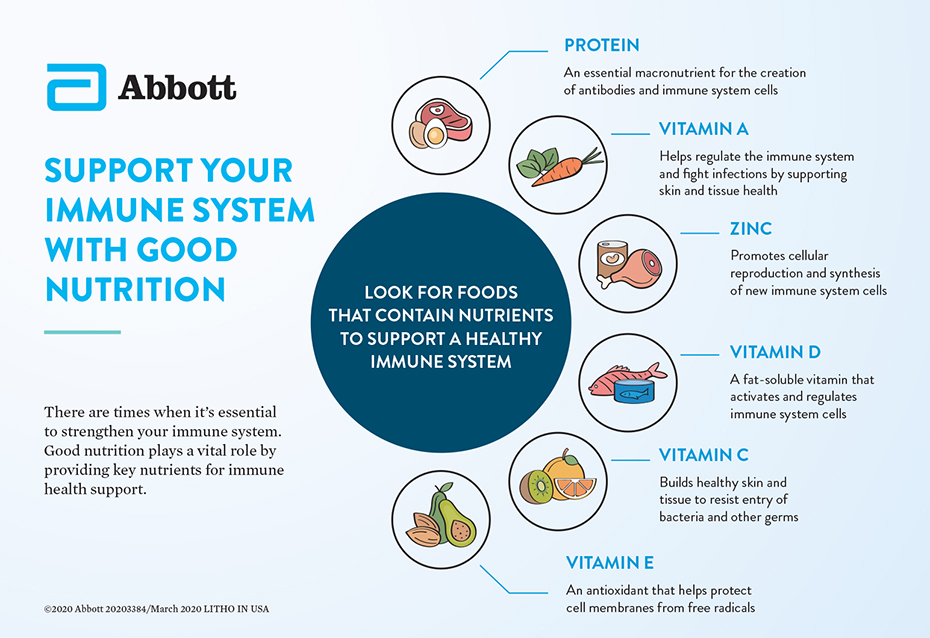
- Vitamin C: Supports white blood cell function and antioxidant defenses. Found in citrus fruits, bell peppers, strawberries, kiwi, and broccoli.
- Vitamin D: Modulates innate and adaptive immunity. Sources: fatty fish (salmon, mackerel), fortified dairy or plant milks, and sensible sun exposure; consider testing and supplementing when low.
- Zinc: Important for immune cell development and function. Found in oysters, lean meats, legumes, nuts, and seeds.
- Protein: Provides amino acids for antibody and immune-cell synthesis. Include lean meats, poultry, fish, eggs, dairy, legumes, tofu, and tempeh.
- Omega-3 fatty acids: Reduce chronic inflammation and support immune regulation. Found in fatty fish, flaxseeds, chia seeds, and walnuts.
- Fiber and prebiotics: Feed beneficial gut bacteria that influence immunity. Sources: whole grains, legumes, onions, garlic, asparagus, bananas, apples.
- Polyphenols and antioxidants: Protect cells and modulate immune responses. Found in berries, green tea, dark chocolate, olives, and colorful vegetables.
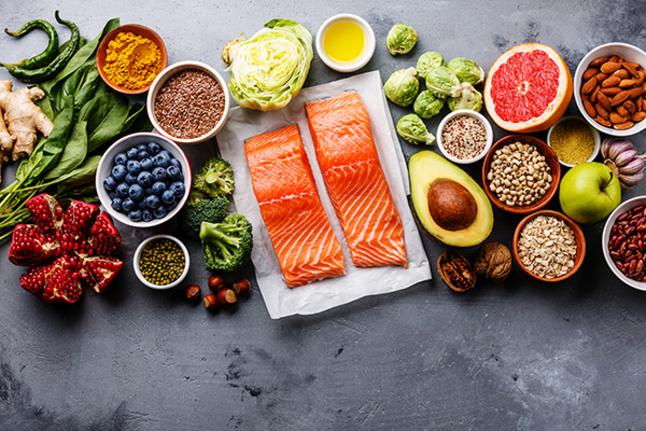
- Leafy greens (spinach, kale) — vitamin C, folate, fiber
- Berries (blueberries, strawberries) — antioxidants and polyphenols
- Cruciferous vegetables (broccoli, Brussels sprouts) — vitamin C and sulforaphane
- Fatty fish (salmon, sardines) — vitamin D and omega-3s
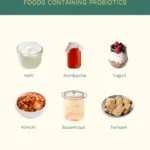
- Yogurt or kefir — probiotics for gut-immune health
- Legumes (lentils, chickpeas) — protein and fiber
- Nuts and seeds (almonds, pumpkin seeds) — zinc, vitamin E, healthy fats
- Citrus fruits — vitamin C
- Garlic and onions — antimicrobial and immune-modulating compounds
- Green tea — catechins with antioxidant benefits
- Breakfast: Greek yogurt parfait with mixed berries, a tablespoon of chia seeds, and a sprinkle of chopped almonds. Green tea on the side.
- Mid-morning snack: A small orange or kiwi and a handful of walnuts.
- Lunch: Large mixed salad with leafy greens, grilled salmon or chickpeas, roasted sweet potato, avocado, cherry tomatoes, and olive oil–lemon dressing.
- Afternoon snack: Hummus with carrot and bell pepper sticks or a small apple with peanut butter.
- Dinner: Stir-fry with tofu or chicken, broccoli, bell peppers, garlic, ginger, served over brown rice or quinoa.
- Before bed (optional): A cup of warm chamomile tea and a small portion of plain kefir or a kiwi if you need a late snack.
- Aim for at least 150 minutes of moderate aerobic activity or 75 minutes of vigorous activity per week, plus strength training two or more days weekly.
- Include mobility and balance work to reduce injury risk and support long-term activity.
- Morning mobility & breath work (5–10 minutes): Gentle spinal twists, cat-cow, shoulder rolls, and 3–5 minutes of deep diaphragmatic breathing to reduce stress hormones and prime immunity.
- Aerobic activity (20–30 minutes): Brisk walking, cycling, swimming, or a dance session — moderate intensity to raise heart rate without overexertion. If pressed for time, do three 10-minute brisk walks spaced through the day.
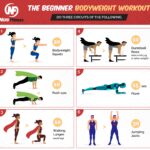
- Strength training (15–20 minutes, 2–3x/week): Bodyweight or resistance-band circuit: squats, push-ups or modified push-ups, bent-over rows, lunges, planks. Two sets of 8–15 reps works well for most people.
- Evening wind-down stretching (5–10 minutes): Gentle stretches and foam rolling to aid recovery and sleep quality.
- Schedule workouts like appointments and set reminders.
- Use incidental activity: take stairs, park farther away, walk while on calls.
- Choose activities you enjoy to make consistency easier.
- Mix intensity across the week: easy aerobic days, one or two higher-intensity sessions, and recovery days.
- Poor sleep impairs immune cell function and increases inflammation.
- Create a consistent sleep schedule, reduce screen time before bed, and optimize a cool, dark, quiet bedroom.
- Chronic stress elevates cortisol and suppresses immune responses.
- Daily tools: mindfulness meditation (5–15 minutes), deep breathing, progressive muscle relaxation, journaling, or brief nature walks.
- Water supports cellular functions and mucosal defenses. Aim for steady intake throughout the day; needs vary by body size, climate, and activity.
- Include hydrating foods (cucumbers, watermelon) and limit excess alcohol.
- Eat fiber-rich foods and fermented foods (yogurt, kimchi, sauerkraut) to support gut bacteria that influence immunity.
- Limit unnecessary antibiotics and focus on prebiotic-rich choices such as garlic, onions, leeks, and whole grains.
- Frequent handwashing, safe food handling, and staying up-to-date on recommended vaccinations are foundational.
- Regular, moderate outdoor activity exposes you to diverse microbes, which can be beneficial for immune education.
- Vitamin D: test levels and supplement if low—commonly needed in low-sun regions.
- Zinc: short courses for deficiency or during acute illness; avoid long-term high doses without supervision.
- Vitamin C: safe in moderate doses; may slightly reduce duration of colds when taken early.
- Probiotics: strain-specific benefits; choose reputable brands and consider clinical evidence for your need.
- Relying on a single “superfood” instead of an overall healthy diet.
- Overtraining without adequate recovery—this suppresses immunity.
- Chronic sleep deprivation and unmanaged stress.
- Excessive alcohol and smoking, which impair immune defenses.
- Anchor: “healthy meal planning” — Link to your existing meal planning or recipe page.
- Anchor: “beginner strength training routine” — Link to a workout or fitness program page.
- Anchor: “sleep hygiene tips” — Link to any sleep or mental wellness content you have.
- National Institutes of Health — Office of Dietary Supplements (for nutrient facts): https://ods.od.nih.gov/
- World Health Organization — Physical activity guidelines: https://www.who.int/
- Harvard T.H. Chan School of Public Health — Nutrition Source: https://www.hsph.harvard.edu/nutritionsource/
- Hero image idea: Diverse group enjoying an outdoor walk or preparing a colorful, healthy meal. Alt text: “Group walking outdoors and eating a colorful salad to support immunity.”
- Infographic suggestion: “Daily immunity-boosting checklist” with breakfast, snack, exercise, sleep icons. Alt text: “Infographic checklist of daily habits to boost immunity through nutrition and exercise.”
- Create shareable quotes from the article: e.g., “Small, consistent habits—like daily movement and colorful meals—build lasting immune resilience.”
- Use open graph tags: a concise, attention-grabbing title, 100–200 word summary, and the hero image (1200 x 630 px) for Facebook/LinkedIn sharing.
- Include Twitter card metadata with a short CTA: “Boost your immunity with daily nutrition and exercise tips.”
Top Immunity-Boosting Foods to Eat Daily
Incorporate these foods regularly to keep nutrient intake consistent and varied.

Designing a Daily Meal Plan for Immune Health
Below is a flexible example to inspire balanced days. Adapt portion sizes to your energy needs and dietary preferences.
Sample Day (Balanced for Immunity)
Daily Exercise Routine to Strengthen Immunity
Physical activity boosts circulation, reduces inflammation, improves vaccine response, and supports healthy body composition. The key is consistency and avoiding chronic overtraining.
How Much Exercise Is Ideal?
Daily Exercise Routine (Realistic and Balanced)
This routine is designed for busy people and can be adjusted to fitness level.
Tips to Get Moving Daily
Other Daily Healthy Lifestyle Habits That Support Immunity
Nutrition and exercise are central, but sleep, stress management, hydration, and environment are equally important. Combine these to maximize immune resilience.
Prioritize Sleep (7–9 hours)
Manage Stress
Stay Hydrated
Maintain a Healthy Microbiome
Practice Good Hygiene and Smart Exposure
Practical Weekly Plan: Combine Nutrition, Movement, and Recovery
Here is a concise weekly template to guide daily habits in an organized way.
| Day | Nutrition Focus | Exercise | Recovery/Wellness |
|---|---|---|---|
| Monday | High-protein breakfast; include citrus | 30-min brisk walk + 10-min mobility | Nightly wind-down routine |
| Tuesday | Omega-3 rich lunch (salmon, walnuts) | Strength training 20–30 min | 10-min guided meditation |
| Wednesday | Colorful vegs and probiotics | Interval walk or light jog 20–30 min | Prep healthy snacks for the next days |
| Thursday | Legume-based meal; whole grains | Strength training 20–30 min | Stretching and foam rolling |
| Friday | Green tea + antioxidant-rich dessert | Group fitness class or dance 30–45 min | Social connection (lowers stress) |
| Saturday | Balanced meals, limit alcohol | Active recovery: hiking or long walk | Longer relaxation session (sauna, bath) |
| Sunday | Meal prep; include fermented foods | Light yoga and mobility | Plan sleep schedule for the week |
Supplements: When They Help and When to Avoid
Whole foods are first-line. Supplements can fill gaps but aren’t substitutes for a healthy lifestyle. Consider the following with guidance from a healthcare provider:
Common Mistakes That Undermine Immune Health
Real-World Examples and Quick Case Studies
Case 1: Sarah, office worker — She started walking 20 minutes after lunch, swapped afternoon pastries for Greek yogurt and berries, and added two 20-minute strength sessions per week. Within two months she reported fewer colds, higher energy, and steady body weight.
Case 2: Marcus, shift worker — After prioritizing 7 hours of sleep by shifting his schedule, taking vitamin D supplementation after a test showed deficiency, and focusing on fiber and fermented foods, he experienced improved digestion and more consistent energy across shifts.
These examples show small, targeted changes can produce measurable improvements in immune-related outcomes and daily functioning.
FAQs — Quick Answers for Common Questions
Can one food or supplement “boost” my immunity instantly?
No single food or supplement acts instantly. Immunity improves with consistent, balanced nutrition and lifestyle habits over time.
How quickly will I notice benefits from changing my diet and exercise?
Some benefits, like improved mood and energy, can appear within days-to-weeks. Immune markers and reduced illness frequency may take weeks-to-months of consistent habits.
Is high-intensity exercise better for immunity?
Both moderate and higher-intensity exercise have benefits. However, chronic very high-intensity training without recovery can suppress immune function. Balance is key.
Internal and External Link Suggestions (SEO-Ready)
Internal links to include on your site:
Authoritative external links to consider (open in new window):
Suggested anchor text: “vitamin D recommendations,” “immune system and exercise,” and “gut microbiome and immunity.”
Image and Accessibility Recommendations
Schema Markup Recommendations
Use Article schema with these properties: headline, author, datePublished, image, publisher, description. Add mainEntity for FAQ schema to increase chances of featured snippets and voice search pickups.
Social Sharing Optimization
Conclusion: Small Daily Choices, Stronger Immunity
Boosting immunity isn’t about quick fixes — it’s about creating a daily rhythm that nourishes your body, moves it regularly, helps it recover, and protects it from chronic stressors. Prioritize whole, nutrient-rich foods, stay active with a realistic daily exercise routine, and build supportive habits around sleep, stress management, and gut health. Start with one or two changes this week: add a serving of leafy greens, take a 20-minute walk after lunch, or go to bed 30 minutes earlier. Those consistent steps compound into meaningful improvements in immune resilience and everyday wellness.
Take action today: Choose one nutrition change and one movement habit to implement this week. Track them for two weeks and notice how small, steady changes make you feel—your immune system and future self will thank you.