Thank you for reading this post, don't forget to subscribe!
Elevate Body and Mind: Exploring Yoga Benefits for Well-being
Keywords: yoga benefits, mind-body connection, yoga practice, holistic wellness

Source: theblossomingway.com.au
Introduction: A Gentle Invitation to Transform
Have you ever noticed how a few deliberate breaths can make a noisy day feel quieter? Yoga invites that same simple recalibration—one that ripples from your breath through your posture, your thoughts, and into how you move through life. In this article you’ll discover how a consistent yoga practice supports physical health, mental clarity, emotional resilience, and deepens the mind-body connection. Whether you’re a curious beginner or a seasoned practitioner, you’ll come away with practical tools, evidence-based benefits, and approachable ways to integrate yoga into daily life for holistic wellness.

Why Yoga Matters: Connecting Breath, Body, and Mind
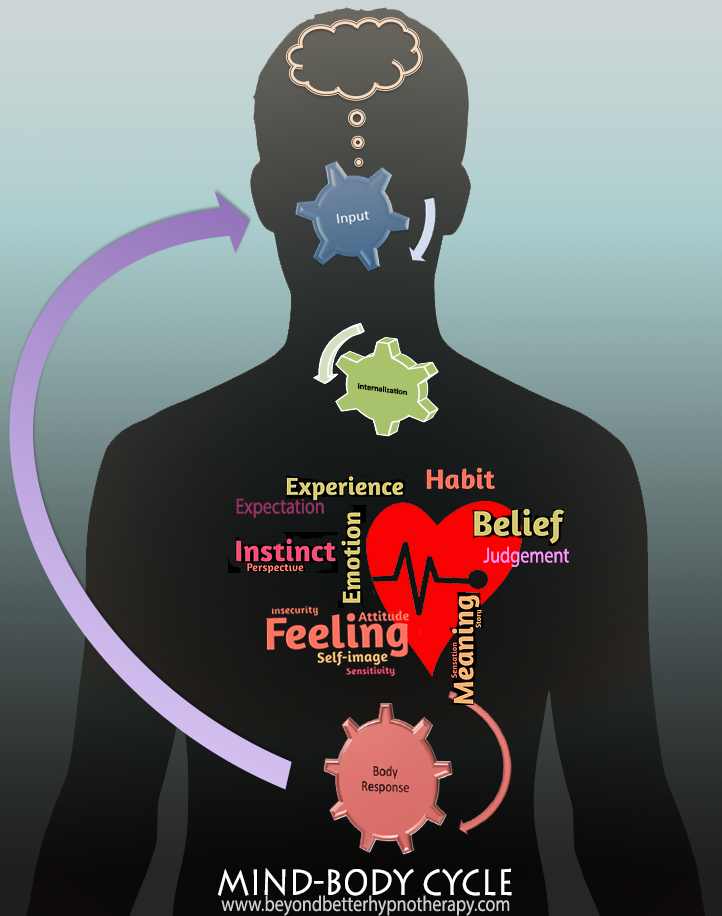
Yoga is more than a sequence of poses. At its heart is the cultivation of awareness—linking breath (pranayama), movement (asana), and focused attention (dharana). This integration strengthens the mind-body connection, helping you respond to stress with intention rather than reactivity.
How the Mind-Body Connection Works
- Breath as a regulator: Conscious breathing activates the parasympathetic nervous system, lowering heart rate and easing anxiety.
- Proprioception and presence: Moving through poses refines body awareness, improving balance, coordination, and posture.
- Neuroplasticity and mental habits: Mindful focus during practice reshapes neural pathways that support concentration and emotional regulation.

Top Yoga Benefits Backed by Research
Research on yoga continues to grow. Below are key benefits supported by studies and clinical observations, presented in a way you can apply to daily life.

1. Enhances Physical Health
- Improves flexibility and joint mobility through regular stretching and varied ranges of motion.
- Builds strength—especially in the core, back, and stabilizing muscles—through weight-bearing postures.
- Supports cardiovascular health: dynamic styles like Vinyasa and Sun Salutations raise heart rate and improve circulation.
- Assists weight management when combined with a balanced lifestyle.
2. Reduces Stress, Anxiety, and Depression
Yoga practice reliably lowers perceived stress. Techniques such as slow, diaphragmatic breathing and restorative poses reduce cortisol levels and calm the nervous system. Many clinical trials show yoga as an effective complementary approach for mild to moderate anxiety and depressive symptoms.
3. Improves Sleep Quality
Regular yoga, especially practices that include relaxation and breathwork, can reduce insomnia and improve sleep duration and depth. Evening practices focusing on gentle stretching and guided relaxation are particularly helpful.
4. Boosts Cognitive Function and Focus
Short daily sessions that include breath awareness and present-moment focus can sharpen attention, working memory, and processing speed. Meditation and mindful movement increase gray matter in brain regions associated with learning and memory.
5. Supports Pain Management
For chronic pain conditions such as lower-back pain, osteoarthritis, and migraines, yoga offers non-pharmacological relief by improving mobility, reducing inflammation through stress reduction, and changing pain perception through mindfulness.
6. Enhances Emotional Resilience and Self-Awareness
Yoga creates a space to notice patterns—how you respond under pressure, where you hold tension, and what mental narratives arise. Over time, this heightened awareness builds emotional resilience and healthier coping strategies.
Different Styles, Different Benefits: Choosing Your Yoga Practice
Yoga is diverse. Selecting the right style helps match benefits to your needs—whether you want gentle restoration or vigorous cardiovascular work.
- Hatha: Foundation-focused, slower-paced—excellent for beginners and balance work.
- Vinyasa/Power: Breath-synced flow that builds strength and stamina.
- Ashtanga: Structured, dynamic sequences that build discipline and endurance.
- Yin/Restorative: Long passive holds that support connective tissue health and deep relaxation.
- Iyengar: Alignment-focused with props—great for therapeutic applications.
- Kundalini: Breath, movement, and chanting integrated for energetic and emotional release.
Matching Style to Goal
| Goal | Recommended Style |
|---|---|
| Stress reduction and sleep | Yin, Restorative, Gentle Hatha |
| Strength and cardio | Vinyasa, Power, Ashtanga |
| Flexibility and joint health | Hatha, Yin, Iyengar |
| Therapeutic alignment | Iyengar, Gentle Hatha |
Practical Ways to Start and Sustain Your Yoga Practice
Consistency matters more than perfection. Here are practical, calming steps to make yoga a nourishing habit that supports holistic wellness.
1. Start Small and Build Ritual
- Commit to 10–15 minutes daily: short practices reduce resistance and build momentum.
- Create a consistent time and place—morning for energy, evening for winding down.
- Use simple sequences: sun salutations, seated breathwork, and a few restorative poses.
2. Focus on Breath First
Before moving, spend 2–5 minutes observing the breath. Practices like box breathing, ujjayi, and alternate nostril breathing calm the nervous system and prepare the body for mindful movement.
3. Blend Movement, Breath, and Mindfulness
Practice with intention—linking each movement to an inhale or exhale. Bring curiosity to sensations without judgment. This reinforces the mind-body connection and increases the practice’s therapeutic value.
4. Use Props and Modifications
Blocks, straps, bolsters, and blankets make poses accessible and safe. Modifications help you stay present and prevent injury while achieving intended benefits.
5. Integrate Mini-Practices Throughout the Day
- Midday stretch and breath: reset posture and focus.
- Pre-sleep relaxation: legs-up-the-wall (Viparita Karani) or a guided body-scan.
- Micro-meditations: 1–3 minute breath awareness between meetings.
Yoga for Specific Populations and Conditions
Yoga can be adapted for many life stages and health conditions. Below are examples with practical guidance.
Pregnancy and Postpartum
Prenatal yoga emphasizes pelvic floor awareness, gentle hip openers, breathwork for labor, and community support. Postpartum classes focus on core reconnection, pelvic health, and gradual return to stronger asanas.
Older Adults
Chair yoga and gentle Hatha improve balance, bone health, and mobility while reducing fall risk. Attention to alignment and pace keeps practice safe.
Chronic Illness and Rehabilitation
Therapeutic yoga, often guided by experienced instructors or clinicians, helps manage symptoms, restore function, and reduce pain. Collaborate with healthcare providers for tailored plans.
Real-World Examples and Case Studies
These short examples illustrate how yoga benefits translate to everyday life.
Case Study 1: From Desk Fatigue to Daily Energy
Maria, a marketing manager, suffered from tight hips and afternoon energy crashes. Adding a 15-minute morning Vinyasa and midday breath breaks over three months improved her posture, reduced headaches, and increased afternoon productivity.
Case Study 2: Managing Anxiety with Restorative Practice
James experienced chronic work anxiety. Introducing nightly restorative yoga and guided pranayama for eight weeks lowered his anxiety levels and helped him sleep more deeply, reducing daytime irritability.
Common Myths and Misconceptions
- Myth: Yoga is only stretching. Fact: It integrates strength, breath control, mindfulness, and nervous system regulation.
- Myth: You must be flexible to start. Fact: Flexibility grows with practice; yoga meets you where you are.
- Myth: Yoga is not a workout. Fact: Many styles offer rigorous physical benefits and cardiovascular gains.
Simple 20-Minute Yoga Sequence for Well-being
Try this gentle, balanced sequence to cultivate strength, calm, and presence. Move mindfully and breathe smoothly throughout.
- Centred breath (2 minutes): Sit comfortably, breathe long inhales and slow exhales.
- Neck and shoulder release (2 minutes): Gentle side bends and shoulder rolls.
- Cat-Cow (2 minutes): Mobilize the spine with breath.
- Sun Salutation A (5 minutes): 3 rounds, flowing with breath to warm the body.
- Warrior II + Side Angle (4 minutes): Build strength and open hips.
- Seated Forward Fold (2 minutes): Calm the nervous system.
- Legs-Up-the-Wall or Supported Savasana (3 minutes): Rest and integrate.
Practical Tips for Safety and Sustainable Progress
- Listen to pain signals—distinguish discomfort from sharp or structural pain.
- Progress gradually—consistency trumps intensity.
- Seek qualified guidance for injuries, pregnancy, or chronic health concerns.
- Maintain balanced practice: strength + mobility + relaxation.
How Yoga Complements Other Wellness Practices
Yoga synergizes well with nutrition, sleep hygiene, psychotherapy, strength training, and cardiovascular exercise. For example, breathwork can amplify the restorative effects of sleep, while mindful movement supports better form during strength training.
Resources, Internal and External Linking Suggestions
To deepen your exploration, consider linking to these resources on your site and authoritative external sources.
- Internal link suggestions:
- Beginners Yoga Guide (anchor: beginners yoga guide)
- Yoga for Anxiety (anchor: yoga for anxiety)
- Class Directory (anchor: find yoga classes)
- External authoritative links:
SEO and Social Sharing Optimization
- Meta title suggestion: “Elevate Body and Mind: Yoga Benefits for Holistic Wellness”
- Meta description: “Discover the transformative yoga benefits for body and mind. Learn practical practices, research-backed outcomes, and tips to deepen your mind-body connection and holistic wellness.”
- Suggested social copy: “Ready to feel calmer and stronger? Explore research-backed yoga benefits and simple practices to elevate your body and mind.” (Include link and image.)
- Open Graph image alt text: “Person practicing yoga at sunrise — calm pose for mind-body wellness.”
FAQs (Optimized for Voice Search and Featured Snippets)
What are the main benefits of yoga?
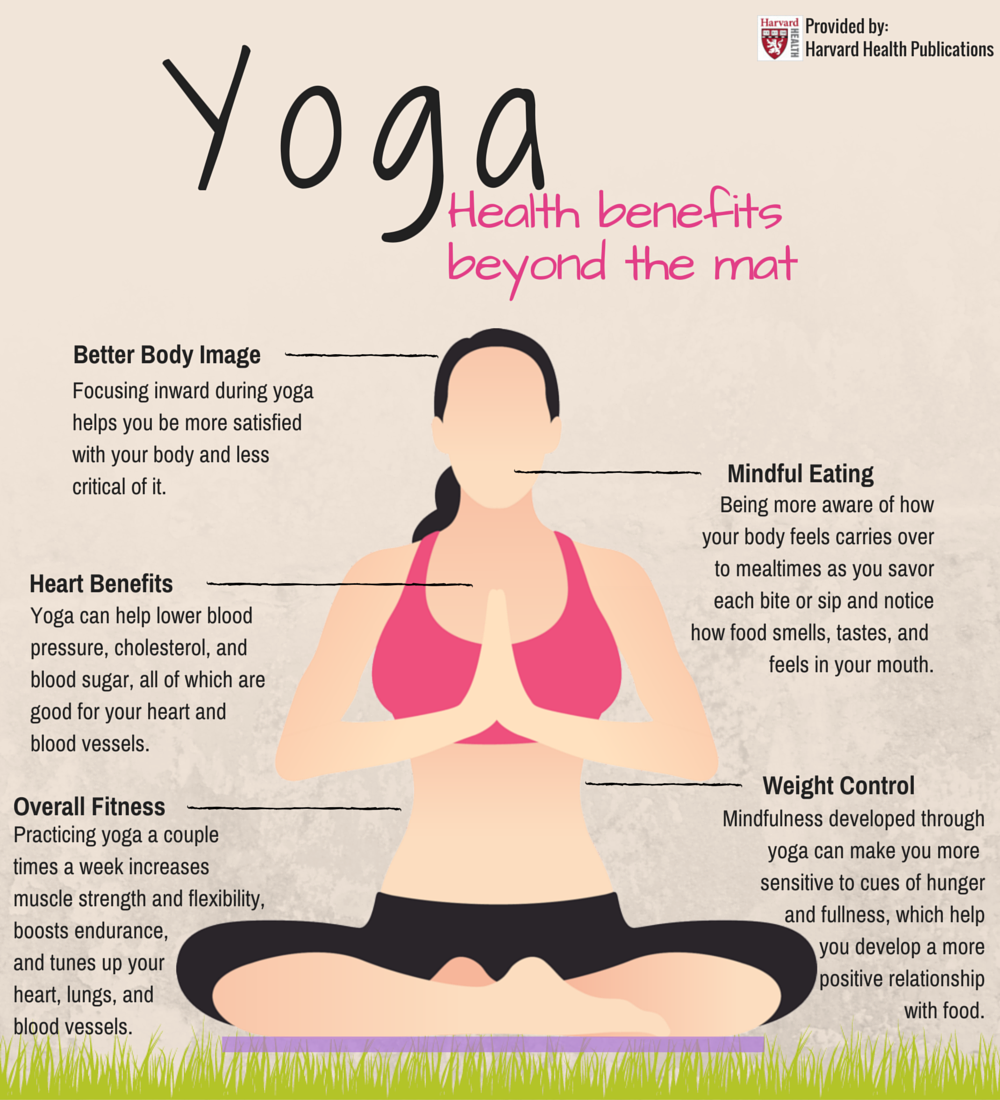
Yoga benefits include improved flexibility, strength, stress reduction, better sleep, enhanced focus, pain management, and greater emotional resilience through an integrated mind-body practice.
How often should I practice yoga to see results?
Begin with 10–20 minutes most days of the week. Noticeable benefits in mood, sleep, and mobility often appear within weeks; lasting physical changes typically take a few months of consistent practice.
Can yoga help with anxiety and depression?
Yes. Yoga’s combination of breathwork, movement, and mindfulness has been shown to reduce symptoms of anxiety and mild to moderate depression when used as a complementary approach alongside professional care when needed.
Do I need to be flexible to start yoga?
No. Flexibility improves with practice. Yoga is accessible at any level—use props and modifications to meet your current range of motion.
Author Expertise
This article was written by a wellness content specialist with experience in yoga instruction and mind-body health content. Recommendations reflect current research and best practices for safe, effective yoga integration into daily life.
Conclusion: Begin Where You Are—A Path to Holistic Wellness
Yoga offers a gentle, evidence-informed path to nurturing both body and mind. By weaving breath, movement, and mindful attention into your routine, you strengthen the mind-body connection and support lasting holistic wellness. Start small, stay consistent, and treat your practice as a compassionate exploration rather than a performance. Every breath and mindful movement is an invitation to elevate your well-being.
Call to Action
Ready to begin? Sign up for a 14-day guided email series with short daily practices (anchor: start guided yoga series) or explore local classes to find an instructor who can personalize your practice. Your journey to greater balance and calm begins with a single intentional breath.