Optimize Digestion with Top 10 Gut-Friendly Foods and Practical Tips
Thank you for reading this post, don't forget to subscribe!Struggling with bloating, irregularity, or sluggish digestion? You’re not alone. Small, consistent changes in what you eat and how you live can dramatically improve gut health and ease common digestive complaints. In this comprehensive guide you’ll learn the top 10 foods for digestion, evidence-based digestive system boosters, practical tips to reduce bloating, and a simple daily plan to support a balanced microbiome. Expect actionable food swaps, meal ideas, and easy lifestyle habits you can use starting today.

Why gut health matters: quick science primer
Your digestive system does more than break down food. It houses trillions of microbes that influence nutrient absorption, immune function, mood, and inflammation. When gut balance is off, symptoms like bloating, constipation, diarrhea, gas, and fatigue can follow. Improving gut health means supporting a diverse, resilient microbiome and ensuring your digestive tract functions efficiently.
- Microbiome diversity: A varied diet rich in fiber and fermented foods promotes beneficial bacteria.
- Gut barrier: Nutrients like zinc, glutamine, and polyphenols help maintain the gut lining and prevent permeability.
- Motility: Hydration, fiber, and physical activity keep food moving at a healthy pace to prevent constipation and bloating.
- Best choice: plain, low-sugar yogurt or Greek yogurt
- Serving idea: plain yogurt with berries and a sprinkle of flaxseeds
- Best for: those seeking stronger probiotic support
- Serving idea: blend kefir with banana and spinach for a gut-friendly smoothie
- Choose unpasteurized versions for live cultures
- Serving idea: add a small side of kimchi to meals for flavor and digestion support
- Serving idea: cooked oats with cinnamon, ground flaxseed, and a dollop of yogurt
- Tip: adjust ripeness to your needs—riper for quick energy, less ripe for more prebiotic starch
- Cooking reduces some prebiotic content but still offers benefits
- Use as flavor bases in soups, stews, and dressings
- Start with small portions and increase gradually to reduce gas
- Try sprouted or well-soaked legumes to improve digestibility
- Always grind flaxseeds for optimal nutrient absorption
- Serving idea: add a tablespoon to smoothies, yogurt, or oatmeal
- Use fresh ginger in teas, stir-fries, or grated into dressings
- Breakfast: Oatmeal with mashed banana, ground flaxseed, and plain yogurt
- Lunch: Lentil salad with mixed greens, red onion, and olive oil-lemon dressing
- Snack: Blueberries and a small handful of walnuts
- Dinner: Grilled salmon, steamed broccoli, and quinoa
- Breakfast: Kefir smoothie with spinach and frozen berries
- Lunch: Chickpea and roasted vegetable bowl with kimchi on the side
- Snack: Pear (ripe) and a tablespoon of chia seeds mixed into yogurt
- Dinner: Stir-fry with ginger, garlic, tofu, and brown rice
- Breakfast: Whole-grain toast, avocado, and a soft-boiled egg
- Lunch: Vegetable soup with onions, leeks, and a side of sauerkraut
- Snack: Carrot sticks with hummus
- Dinner: Baked chicken, roasted sweet potato, and sautéed spinach
- Breakfast: Greek yogurt with raspberries and a sprinkle of oats
- Lunch: Quinoa tabbouleh with parsley, cucumber, and lemon
- Snack: Apple slices with almond butter
- Dinner: Lentil curry with basmati rice and a ginger-tea after meal
- Breakfast: Smoothie bowl with kefir, banana, and mixed seeds
- Lunch: Grilled vegetable and chickpea salad with tahini
- Snack: Unsweetened kombucha (small glass) and a few almonds
- Dinner: Baked cod, steamed asparagus, and barley
- Breakfast: Oat crepes with mashed berries
- Lunch: Turkey and spinach wrap on whole-grain tortilla with garlic-yogurt sauce
- Snack: Kefir or yogurt with a spoonful of ground flax
- Dinner: Vegetable chili with beans and a side of fermented slaw
- Breakfast: Chia pudding made with low-fat milk or a plant-based alternative; top with sliced banana
- Lunch: Salmon salad with mixed greens, avocado, and lemon
- Snack: Fresh berries and a small piece of dark chocolate (70%+)
- Dinner: Stir-fried tempeh with green beans, garlic, and brown rice
- Start with small swaps: replace one high-sugar snack with fruit or yogurt daily.
- Add one new gut-friendly food each 3–4 days (e.g., start with oats, then add kefir).
- Increase fiber and fermented foods gradually over 2–4 weeks while drinking adequate water.
- Track symptoms and food intake for 2–4 weeks to identify patterns using a simple diary or app.
- If severe symptoms persist (blood in stool, unintentional weight loss, severe pain), see a healthcare provider promptly.
- Unexplained weight loss
- Persistent or worsening abdominal pain
- Blood in stool or black, tarry stools
- Severe, unexplained diarrhea or constipation lasting more than 2 weeks
- Symptoms that interfere with daily life despite self-care
- Swap sugary breakfast cereals for plain oats and fruit.
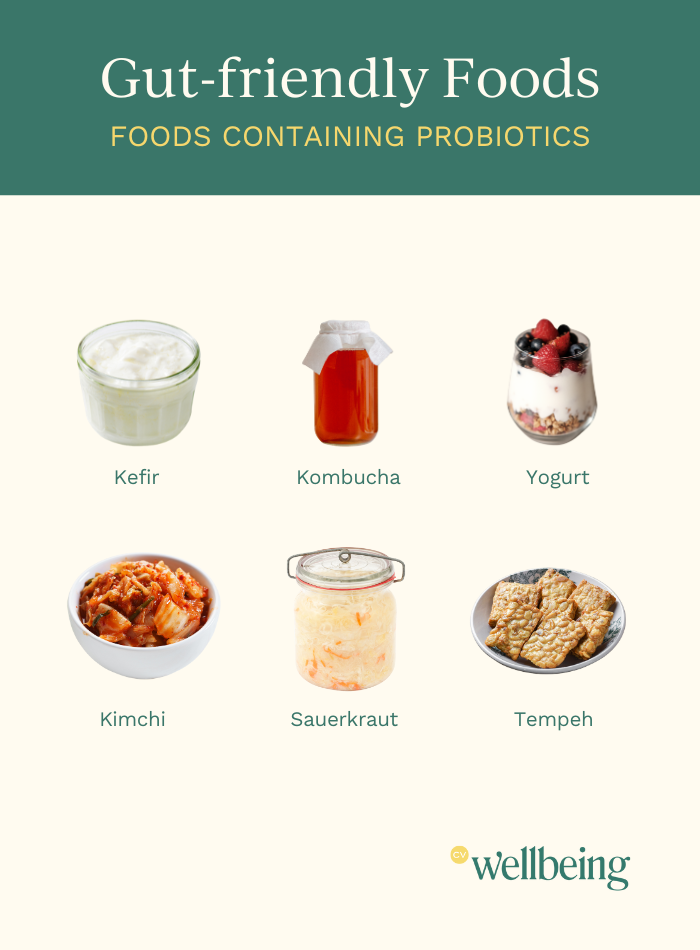
- Add one fermented food serving daily (yogurt, kefir, kimchi, or sauerkraut).
- Include a source of soluble fiber at every meal (oats, beans, fruits, seeds).
- Walk 10 minutes after meals to reduce post-meal bloating.
- Reduce carbonated beverages and eat smaller, slower meals.
- How to start a low-FODMAP diet — anchor: low-FODMAP diet
- Benefits of probiotics — anchor: probiotics for digestion
- Gut-friendly meal plans — anchor: gut-friendly meal plans
- Harvard T.H. Chan School of Public Health — Nutrition and gut microbiome (https://www.hsph.harvard.edu)
- National Institutes of Health — Probiotics and prebiotics overview (https://www.nih.gov)
- Mayo Clinic — Bloating causes and treatments (https://www.mayoclinic.org)
- Hero image: Colorful bowl of yogurt, berries, and seeds — alt: “Yogurt parfait with berries and seeds for gut health”
- Infographic: Top 10 gut-friendly foods — alt: “Top 10 foods for digestion and gut health infographic”
- Process image: Person taking a short walk after a meal — alt: “Walking after meals supports digestion”

Top 10 gut-friendly foods for digestion (and why they work)
These foods are selected for their ability to feed beneficial microbes, ease digestion, reduce bloating, and supply nutrients that support the digestive tract.
1. Yogurt (live cultures)
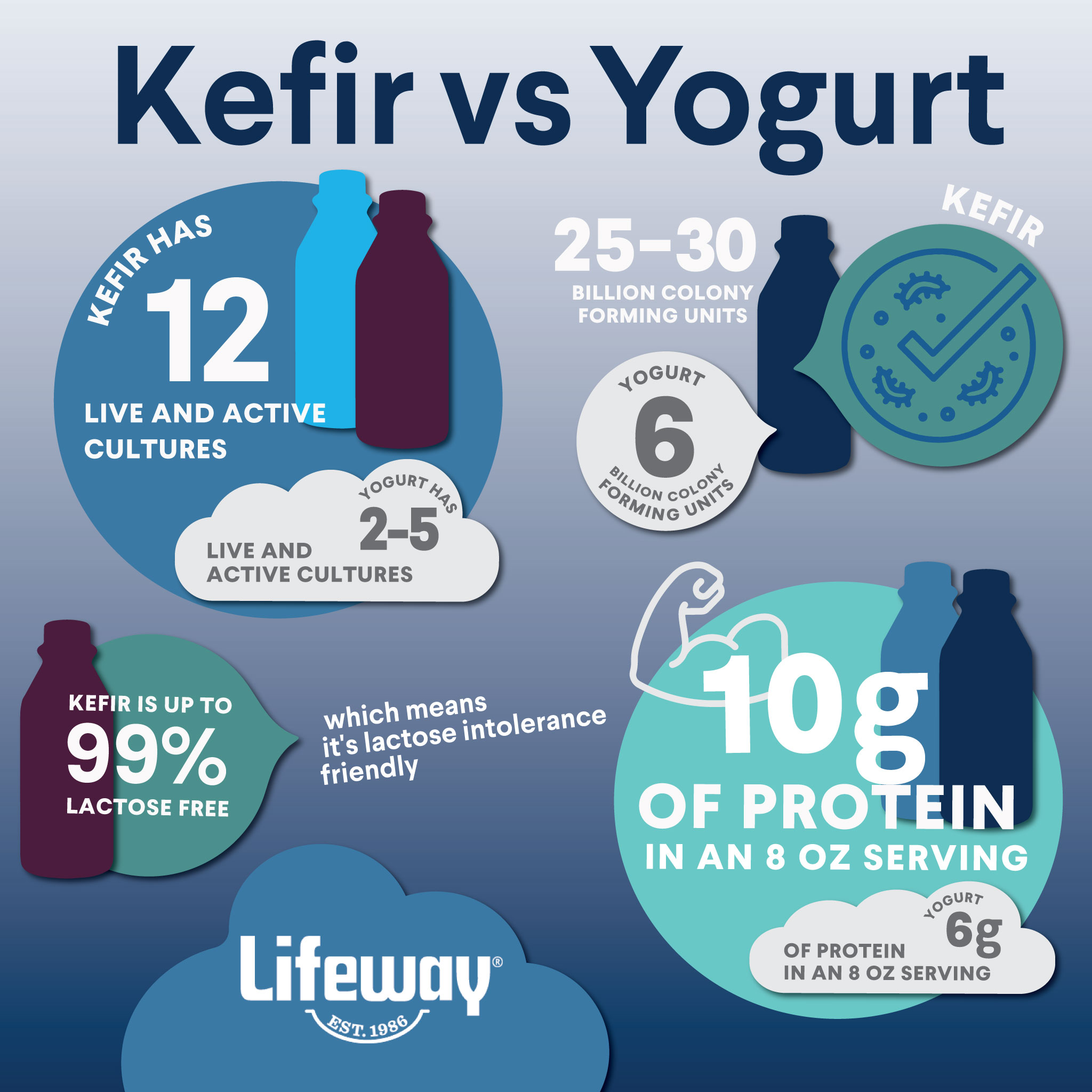
Yogurt with live active cultures delivers probiotics—beneficial bacteria such as Lactobacillus and Bifidobacterium. Regular consumption can reduce bloating, improve stool consistency, and support immune function.
2. Kefir
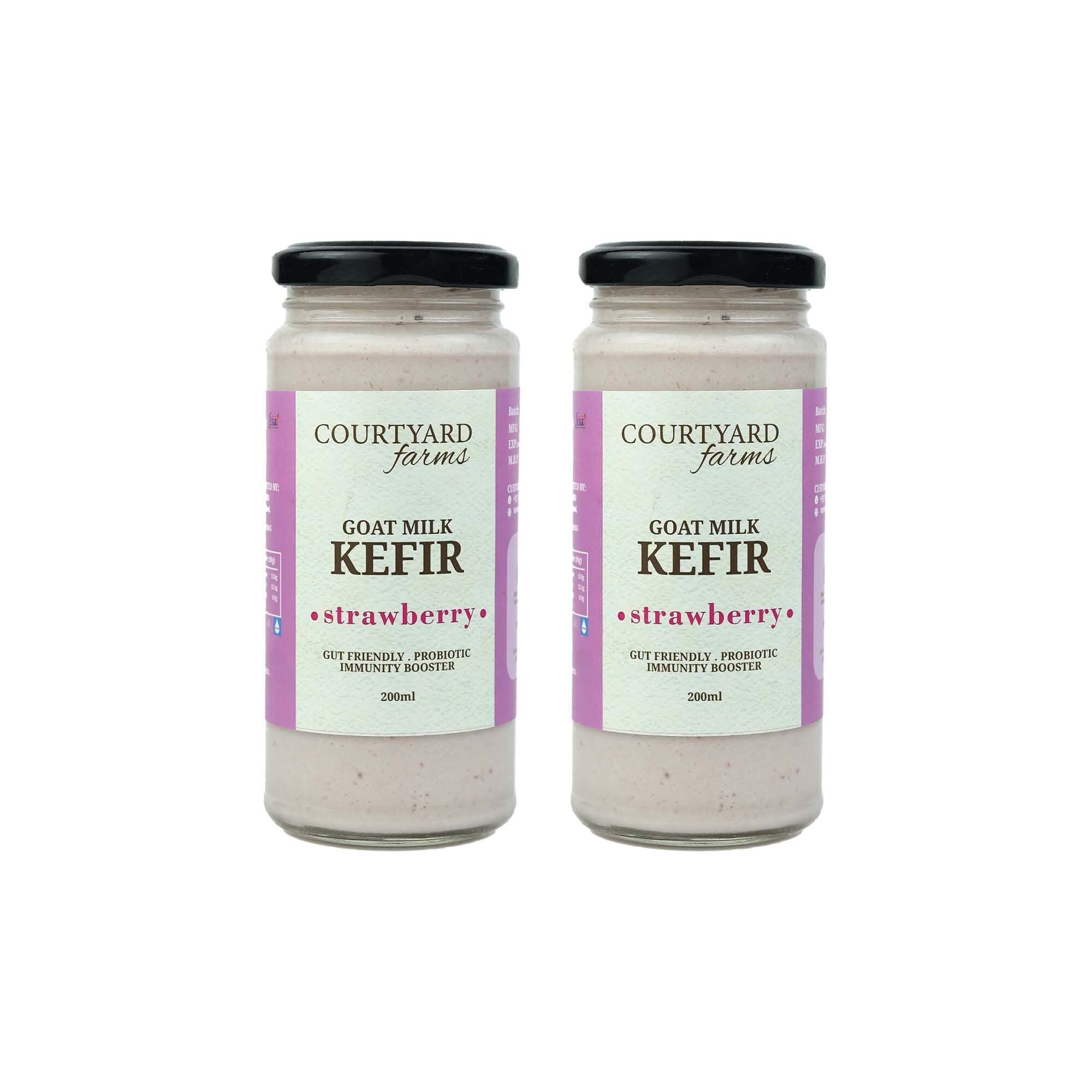
Kefir is a fermented milk drink with a broader range of probiotic strains than yogurt. Studies link kefir to improved lactose digestion, reduced constipation, and lower inflammation.

3. Sauerkraut and kimchi (fermented vegetables)
Fermented cabbage products are rich in probiotics and fiber. They support microbiome diversity and add enzymes that help break down food.
4. Oats
Oats are an excellent source of soluble fiber, particularly beta-glucan, which feeds beneficial bacteria and helps normalize bowel movements. Oats also slow digestion, reducing post-meal blood sugar spikes.
5. Bananas
Bananas are gentle on the stomach and contain prebiotic fibers like fructooligosaccharides (FOS) that feed gut bacteria. Ripe bananas can help with constipation, while slightly less ripe bananas are higher in resistant starch.
6. Garlic, onions, leeks (allium vegetables)
These contain prebiotic fibers such as inulin and FOS that selectively feed beneficial bacteria. They also contribute polyphenols that support microbial diversity.
7. Legumes (lentils, chickpeas, beans)
Legumes are high in fiber and resistant starch, which serve as food for gut microbes and promote regular bowel movements. They also provide plant protein and micronutrients.
8. Berries (blueberries, raspberries, strawberries)
Berries are rich in fiber and polyphenols—compounds that beneficial bacteria metabolize into anti-inflammatory molecules. They’re low in sugar compared with many fruits and are easy to add to breakfasts or snacks.
9. Flaxseeds and chia seeds
These seeds offer soluble fiber and omega-3 fatty acids. They form a gel when mixed with liquid, which can help stool pass more easily and soothe irritated bowel linings.
10. Ginger
Ginger supports digestive motility, eases nausea, and can reduce bloating. It has anti-inflammatory and carminative (gas-relieving) properties that make it a go-to digestive aid.
Digestive system boosters: nutrients and supplements that help
Beyond whole foods, certain nutrients and supplements offer targeted support for digestion and gut health.
Fiber—soluble and insoluble
Both types are important: soluble fiber (oats, psyllium, legumes) forms gels that slow digestion and feed microbes; insoluble fiber (whole grains, vegetables) adds bulk to stool and speeds transit.
Probiotics
Specific strains—Lactobacillus, Bifidobacterium, Saccharomyces boulardii—have research supporting benefits for diarrhea, bloating, and IBS symptoms. Choose clinically studied strains and look for CFU counts appropriate to your needs (commonly 1–10 billion CFU to start).
Prebiotics
Prebiotics like inulin, FOS, and resistant starch selectively feed beneficial microbes. Foods provide prebiotics naturally, but supplements can be helpful when dietary intake is low—start slowly to avoid gas.
Digestive enzymes
Enzyme supplements (lipase, amylase, protease, lactase) can help people with specific digestive enzyme deficiencies or those who experience post-meal bloating. Use under guidance if symptoms are chronic.
L-glutamine
An amino acid that supports intestinal lining repair. It may help with increased intestinal permeability, though it’s best used under medical supervision for chronic gut issues.
Polyphenol-rich foods and supplements
Green tea, cocoa, berries, and turmeric feed beneficial bacteria and reduce inflammation—important for a healthy gut environment.
Practical tips to reduce bloating and speed digestion
Bloating often comes from swallowed air, slow transit, or imbalanced bacteria. Use these practical, evidence-based strategies to feel better fast.
1. Eat slowly and chew thoroughly
Eating quickly increases swallowed air (aerophagia) and overloads digestive enzymes. Aim for 20–30 chews per bite and put utensils down between bites.
2. Watch portion size
Large meals can overload the stomach and increase gas production. Favor 4–6 smaller, balanced meals if larger meals trigger bloating.
3. Stay hydrated—but time it smartly
Water supports digestion and stool softness. However, avoid large volumes of fluid during meals which can dilute stomach acid; sip water and prioritize hydration between meals.
4. Increase fiber gradually
A sudden jump in fiber can cause gas and bloating. Add fiber-rich foods slowly over 2–4 weeks and pair with increased water intake and movement.
5. Move after meals
A gentle walk stimulates gut motility, reducing bloating and improving blood flow. Aim for a 10–20 minute walk after eating.
6. Identify trigger foods
Common culprits include excess FODMAPs (certain fruits, dairy, wheat, legumes), artificial sweeteners, carbonated drinks, and high-fat meals. Try a two-week elimination to find triggers or consult a dietitian for a structured low-FODMAP approach.
7. Limit carbonated and sugary drinks
Carbonation adds gas; sugars feed fermenting bacteria that increase bloating. Opt for water, herbal tea (ginger or peppermint), or diluted kombucha in small amounts.
8. Practice stress-reduction techniques
Stress affects gut motility and microbiome composition via the gut-brain axis. Use deep breathing, progressive muscle relaxation, or brief mindfulness sessions before meals to reduce stress-related digestive upset.
9. Time caffeine and alcohol
Caffeine can speed digestion for some people and cause urgency; alcohol disrupts microbiome balance. Monitor personal tolerance and reduce intake if you notice digestive symptoms.
10. Try targeted supplements when needed
Short-term use of probiotics, digestive enzymes, or peppermint oil capsules may relieve bloating and support digestion. Choose products with clinical backing and consult a healthcare professional if symptoms persist.
Sample 7-day gut-friendly meal plan (easy, practical)
This sample plan focuses on foods for digestion, balanced nutrition, and variety to feed the microbiome. Portion sizes should be adjusted for energy needs.
Day 1
Day 2
Day 3
Day 4
Day 5
Day 6
Day 7
How to introduce changes without triggering symptoms
Fast changes can sometimes make symptoms worse. Follow this stepwise approach:
When to see a professional
Most digestive complaints improve with diet and lifestyle changes, but seek medical evaluation if you experience any of the following:
A gastroenterologist, registered dietitian (specialized in GI disorders), or your primary care provider can help with testing, tailored diets (like low-FODMAP), and targeted treatments.
Practical checks: quick tweaks that often help within days
SEO and linking suggestions for publication
Internal link ideas:
Authoritative external links to cite (open in a new window):
Suggested images and alt text
FAQ: Quick answers for featured snippets
What foods are best for digestion?
Foods high in fiber (oats, legumes, fruits), fermented foods (yogurt, kefir, sauerkraut), prebiotic-rich vegetables (onions, garlic, leeks), and ginger are top choices. Balance soluble and insoluble fiber and include probiotic foods.
How can I reduce bloating quickly?
Eat smaller, slower meals, avoid carbonated drinks, sip ginger or peppermint tea, walk after eating, and try a probiotic or digestive enzyme if appropriate.
Are probiotics necessary for good gut health?
Probiotics can be helpful for specific issues (antibiotic-associated diarrhea, IBS, some cases of bloating), but a diverse, high-fiber diet and fermented foods often provide substantial benefit for general gut health.
Conclusion — small steps, big changes
Optimizing digestion doesn’t require radical diets or expensive testing for most people. Focus on incorporating the top 10 gut-friendly